As early as January 1832, a small party of convicts was stationed at Broadmarsh for roadmaking purposes. A very small gang, just 3 men, these convicts were sent to Broadmarsh through the persistent petitioning of local settlers. As Broadmarsh was some distance from the Main Line of Road (Hobart to Launceston), the road thither was considered a Cross Road and thus of low priority. For this reason, local landholders themselves contributed most of the resources for road construction, with the Government providing some additional cash. The contribution of landowners included the labour of their assigned convicts and provision of picks, spades and axes. The early road to Broadmarsh was a very rudimentary affair which crossed multiple farms and was a continuous source of trouble for local settlers.


In 1835, an extensive land grant at Brighton, which became the properties Invercarron and Arndell at Broadmarsh, and Glen Quoin at Tea Tree was granted to Police Lieutenant William Gunn, who at the age of 15 had attended the Battle of Waterloo, and became known as Wingy in consequence of having an arm shot off in a battle with notorious bushranger, Matthew Brady and his gang in Sorell. Wingy’s wife was the daughter of First Fleeters Dr. Thomas Arndell, and Elizabeth Dalton who arrived in Terra Australis as a convict.
With the exception of the 3,160 square meters of land on its southern side acquired in 2011, the Invercarron site was originally part of a 300 acre allotment granted to William [‘Wingy’] Gunn in 1835. Records suggest that this grant was Gunn’s first in this location and was added to by subsequent grants of contiguous land to the north-west totaling an additional 1,320 acres, making an overall total of 1,620 acres or almost 656 hectares.


Records also suggest that the 300-acre allotment was initially granted to Henry Batten in July 1834, and that all of the other areas granted to Gunn had previously been granted to others. No details have been unearthed to date regarding either the circumstances in which the initial grantees were succeeded by Gunn, or events on the land which subsequently became Invercarron during the period 1835 to establishment of the Probation Station in 1842. A small road gang was kept at work on this line for the next two years, struggling to keep the line open despite some landowners continuing to close the sections running through their properties.


To address these issues, in November 1836 local landowners again petitioned the Governor to either have the old line improved or a new line surveyed. At this point the Inspector of Roads, Captain Alexander Cheyne, expressed his willingness to investigate options for the Broadmarsh and Black Brush road, noting that the pressure of other ongoing works might cause delays. Although eventually surveyed and marked out, work does not appear to have commenced on this new line of road until 1842, with the arrival of a probation party at Broadmarsh. Despite the objections of locals who preferred the old road route, the probation party was set to work on the new line, which in large part follows the present road from Brighton to Broadmarsh. With Broadmarsh already a settled district, no Crown land was available in a suitable location for the probation party. For this reason, the station was erected on land owned by William Gunn.


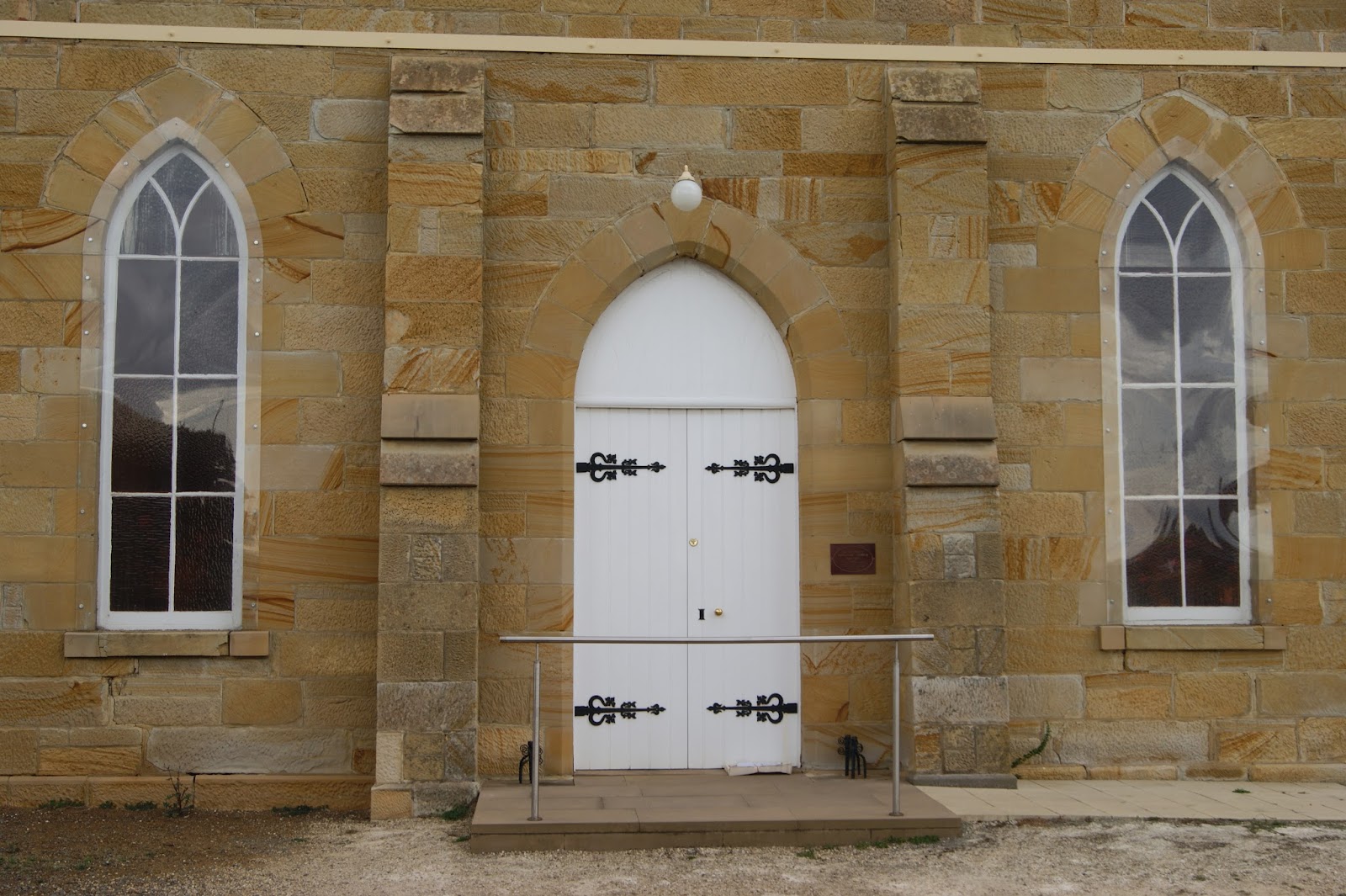
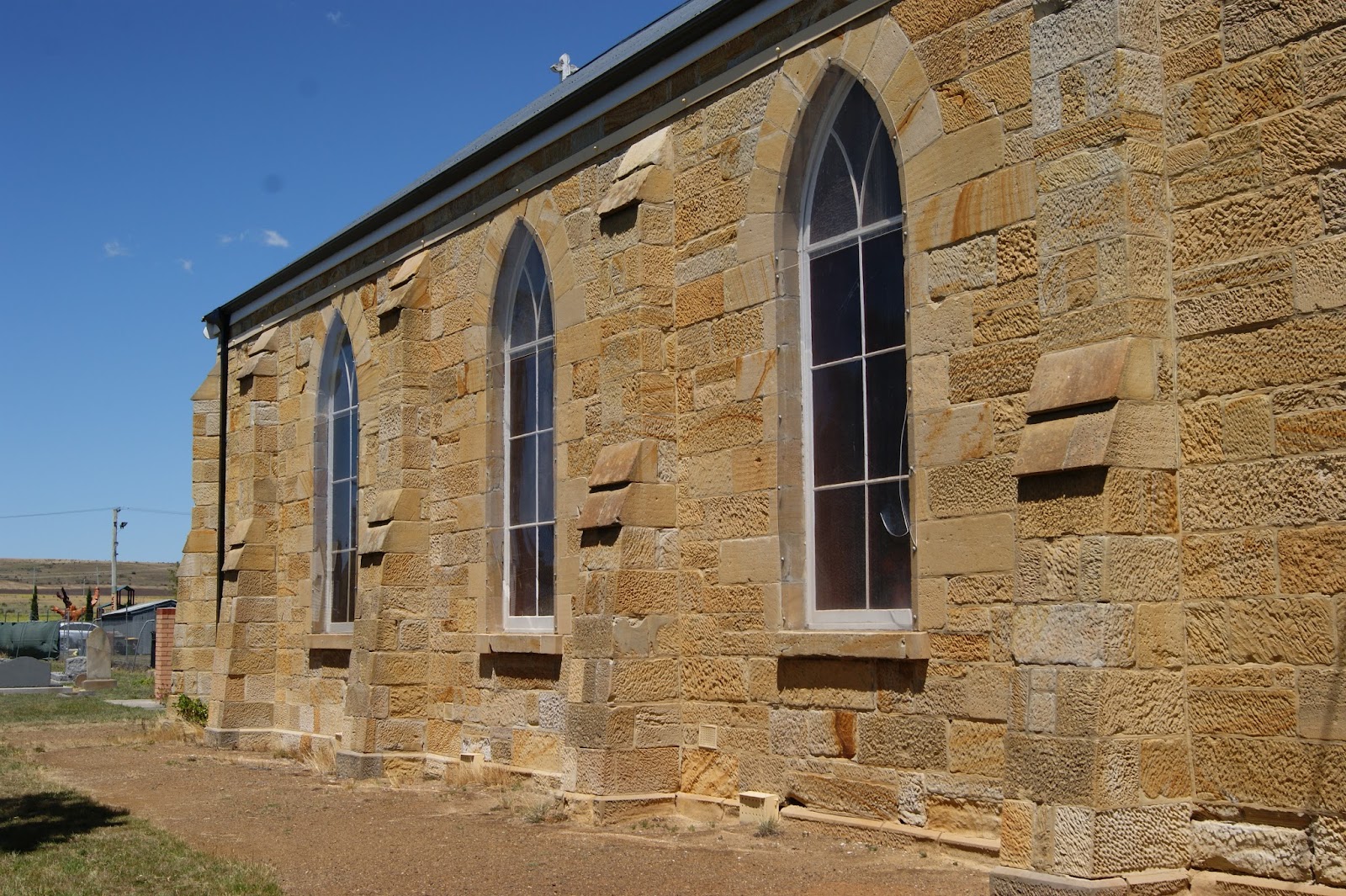
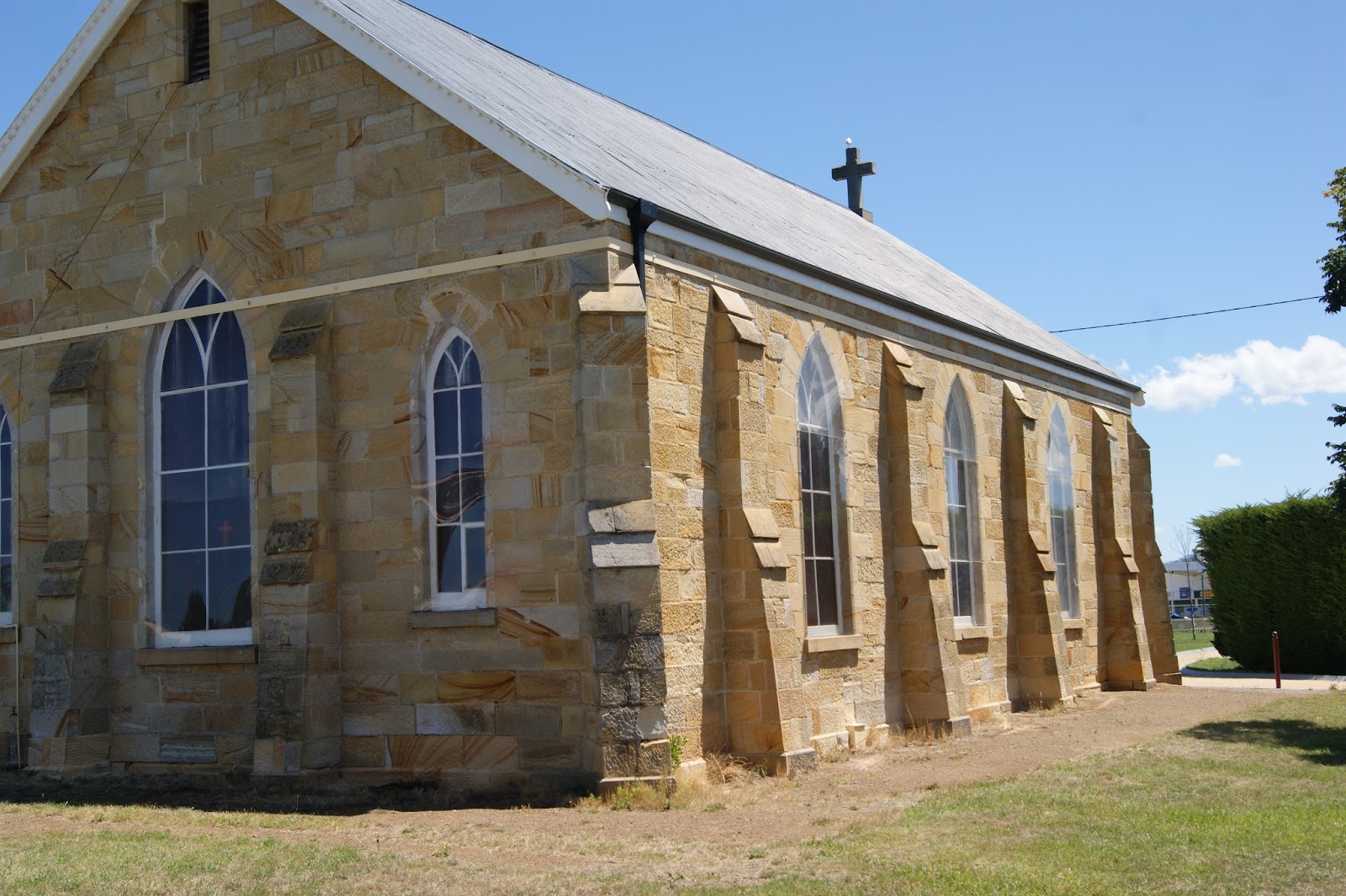
In 1842 Invercarron became the site of the Broadmarsh Convict Probation Station, which was deemed to be such a disaster [La Trobe’s 1847 report cited ‘utter abandonment of all order and decency’] that it was closed in 1847, and the Probation Station system began to wind down from that time. The Broadmarsh Probation Station was opened some time in 1842, perhaps in June as the schoolmaster Thomas Hayward’s appointment is dated June 13th. Two out-stations were established. A party of about 50 men with an Assistant Superintendent at the Dromedary who were employed cutting wood, and a further 40 men housed in huts at the Black Brush working on the road in the vicinity.


On 16 April 1843 James William Henry Walch, late Captain 54th Regiment and unattached brevet major, was appointed Superintendent. At the end of 1844 there were 240 probationers, possibly including some from Norfolk Island, in Broadmarsh. Following the resignation of Walch late in 1845, Samuel Lloyd, a half-pay Lieutenant in the army, was appointed Superintendent on 28 October 1845. Very little remains of this Station, which is not surprising considering that the buildings were in such poor shape at the end of 1847.


William was arguably one of Brighton district’s most distinguished contributors. In 1846 he opposed internal changes at the Prisoners' Barracks ordered by the comptroller-general of convicts, Dr John Hampton, and despite a petition to Lieutenant-Governor Sir John Eardley-Wilmot for his retention in Hobart, Hampton removed him to Launceston as superintendent and visiting magistrate of the convict establishments. In August 1850 the duties of police magistrate at Launceston were added to his other offices. His employment in the Convict Department ended with the cessation of transportation. In 1859 he was granted leave to visit Scotland, and on returning resumed the office of police magistrate until his death on 10 June 1868.


In public life Gunn's conduct and character were exemplary. Lieutenant-Governor (Sir) George Arthur testified that his bravery made him pre-eminent among those who were engaged against the bushrangers. On the bench and in his many government positions, his clear thinking and accurate memory were invaluable. Utterly fearless in saying and doing what he thought just and right, he was honored and respected by all classes.


From the late 1850s Invercarron was inhabited for over 60 years by William Gunn Jnr (Wingy’s son), who died on the property in 1920, 19 years after the death of Queen Victoria. During the 15 years prior to purchase by Henry Jones, the 2 spinster Gunn ladies [daughters of William] passed away [1946; 1951], neither having ever married [despite the large lounge having reportedly been added to the house to facilitate their courtships]. The last resident domestic employee was Millie Bannister, whose room was what the library is now. Apparently she died or departed around 1953. Subsequently the house was unoccupied, although it remained locked and weatherproof.


The last Gunn owner was Rupert, eldest son of Charles Gunn, who sold the property to Henry Jones in 1961. Henry purchased 960 acres from Rupert Gunn in 1961. The property comprised Invercarron [900 acres] & Valleyfield [60 acres]. Homesteads stood on both titles. Whilst Valleyfield was continuously occupied, Invercarron remained unoccupied, derelict and vandalized.


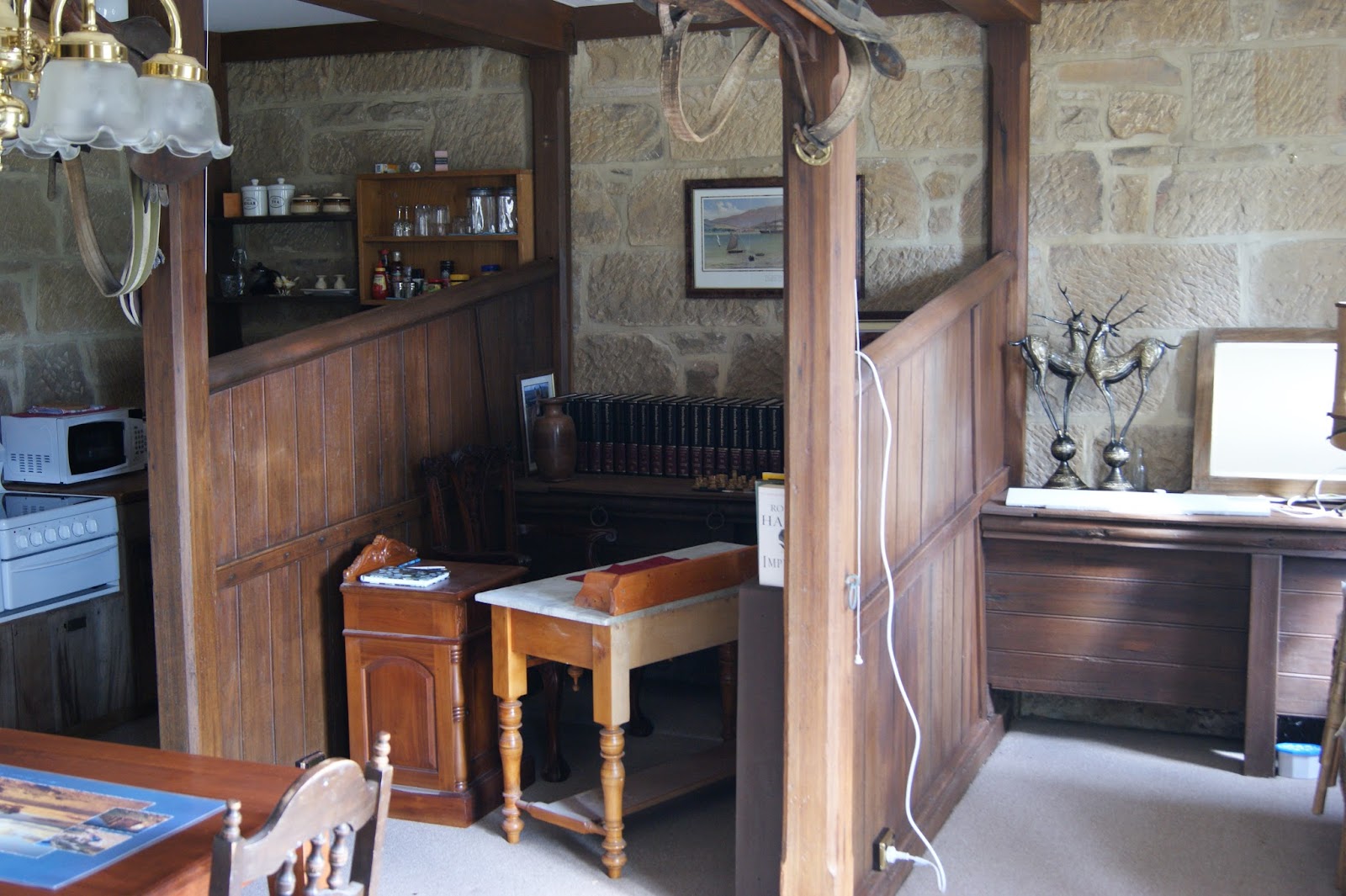
Following the departure of the Gunn family from residence at Valleyfield after some 18 months of rental occupation following the sale to Jones, the Invercarron homestead was gradually stripped of all removable items [possibly including marble fireplaces, floorboards etc. Only the inbuilt cedar bookcase in the dining room (including drawers, doors and key!) remained in terms of internal fit-out]. Windows, doors and stonework were damaged, and photographs of this period attest to significant deterioration of the homestead. The unoccupied homestead subsequently became derelict over the next 20 years or so until new ownership in the 1970s heralded the second and continuing period of occupation.


Increasingly during his period of ownership, Henry Jones was approached by interested parties regarding sale of Invercarron, old sandstone buildings having become once again of general interest. By 1975, whereupon the property was registered as a separate parcel of land and put to auction, and was purchased by Bob Morgan. Virtually all of the substantial improvements at Invercarron evident today were constructed by Bob, who apparently spent some $300,000 on such works. Invercarron was subsequently sold to finance his divorce settlement. Bob and Clare Steele next purchased the property, and lived there for the next 20+ years, raising a family in the process


Peter Anderson first viewed Invercarron December 2007, and contracted to purchase in January 2008. The property was initially rented, as the vendor was unable to provide legal access to the property due to the new access bridge over the Jordan River not being built at the point where Invercarron’s right-of-way met the river. Settlement was in May 2008 subsequent to right-of-way relocation.

I had the great pleasure of being invited by Peter & Lorraine to visit Invercarron and have a chat with them both, enthralled by the information Peter & Lorraine have discovered about the history of the property. The Andersons have also found some underground structures made from sandstone which appear to be potentially connected with the former probation station.. There is also information that Peter has been made aware of that indicated the potential existence of underground cells dating from the 1840’s on the property. The Andersons are currently researching methods and sources to investigate the possible existence of the cells. Hopefully there will be some exciting news to come.
Main Text & Information Source –
Peter & Lorraine Anderson’s personal research and documentation
First Photo provided courtesy of Peter Anderson
I cannot express my gratitude enough to Peter & Lorraine for their generosity and kindness for inviting me to visit their wonderfully restored property and to spend some valuable time with them discussing the fascinating history of Invercarron. I hope my photographs do the buildings and grounds justice and I thank Peter & Lorraine for allowing me to use their wonderful research & documentation for the text in this post.