Throughout its operational life, Port Arthur struggled to reach an economically sustainable level of operation. In an ideal world the product of convict labour would provide the raw and manufactured materials necessary for the ongoing maintenance of the station and its occupants. In some regards Port Arthur managed this, with its flourishing timber industry fuelling building works throughout the Peninsula. The meat, flour and vegetables necessary for rations would also be sourced from the farms of Port Arthur and the other Peninsula stations.


All outstations and probation stations had tracts of land under the plough and hoe, Saltwater River and Safety Cove Farm being some of the biggest agricultural stations opened on the Peninsula. A sheep station and slaughtering establishment in the 1840s greatly furthered output. Yet, despite these clear aims, the main weight of rations during the 1830s and especially the 1840s had to be shipped down from Hobart. The 1841 introduction of Probation saw the authorities face almost insurmountable problems rationing the convict population, as the population rose from close to 1500, to over 3500 by 1844. A convict population of this size required over 2.5 ton of flour a day to fulfill the bread ration alone.


The Port Arthur water-powered flour mill and granary had first been suggested in 1839, with the authorities facing the imminent introduction of probation. The suggestions of the colonial Commissariat, who governed the convict ration supply, and Port Arthur's Commandant, saw the project started in 1842 - just as the Peninsula population began to rapidly increase. An engineer, Alexander Clark, was brought in to oversee the mill and granary construction, as well as engineer the supply of water to the wheel. It was hoped that a mill and granary sited on the peninsula would supply the wants of the Convict Department, as well as produce surplus for export.


The whole undertaking was completed by 1845. Comprising a series of dams, millrace, underground aqueduct and overhead water race, getting the water to the 30ft (10m) water wheel was a much more complicated undertaking than anybody had envisaged. The mill and granary building itself was completed in just a year, housing not only a storehouse, wheel and machinery, but also a treadmill capable of taking up to 56 convicts at once. The treadmill was used when the water supply was unavailable to power the waterwheel. The treadmill consisted of large wheels with horizontal boards between them. The convicts powered the wheel which was basically a never ending stairway that was so tiresome that men could only work on it for a few minutes at a time.


However, the mill was to be a grand failure. The infrastructure bringing the water to the wheel proved to be too complicated, losing water to seepage and evaporation. The supply of water itself was completely inadequate to feed the wheel. In the end, the mill only operated in intermittent bursts, quickly using up any store of water accumulated in the dam.
When Superintendant George Courtney succeeded William Champ as commandant of the settlement in 1848, the mill was not operating successfully at all and so Courtney suggested that the mill should be converted into a penitentiary. At that time the original wooden prisoner’s barracks were very dilapidated and in need of replacement. Although his proposal was approved, it was not until 1854, then under the command of Commandant James Boyd, that work was begun on the conversion and it was not until autumn 1857 that it was ready to house prisoners.


The kitchen and bakehouse were added at the western end of the mill and the quarters for the Watchmen were added to the eastern side. Internally the building was extensively remodeled to provide the prisoners accommodation. Two stories of cells contained in the lower part were arranged in double rows end to end with their fronts facing the external walls of the prison. The prisoners in these sections were also required to wear heavy chains, 13kg for those on the ground floor and 6 kg chains for those on the second floor.
These were a form of extra punishment and added to the difficulty of the work that was required to be performed and constantly caused chafing on the ankles which ultimately caused ulcers. Their trousers buttoned down the outside of the leg to allow the trousers to be removed without removing the chains.
The 2nd floor was converted into the dining room for prisoners on the top dormitory floor were fed. Food was delivered to the mess by the use of a dumb waiter from the kitchen. Prisoners in the other floors were fed in their cells. Roman Catholic prisoners also used the mess area as a makeshift chapel and it was also used as a library. By 1871, the library was reported to having over 13.000 volumes available. Literacy classes for the prisoners were also held there during the evening.
The upper floor was a general dormitory area 200ft long and 11 ft high designed to accommodate 348 separate sleeping places in two tiers. At the back were the exercise yards, privies and lavatories. Over 600 convicts could be accommodated in the building.
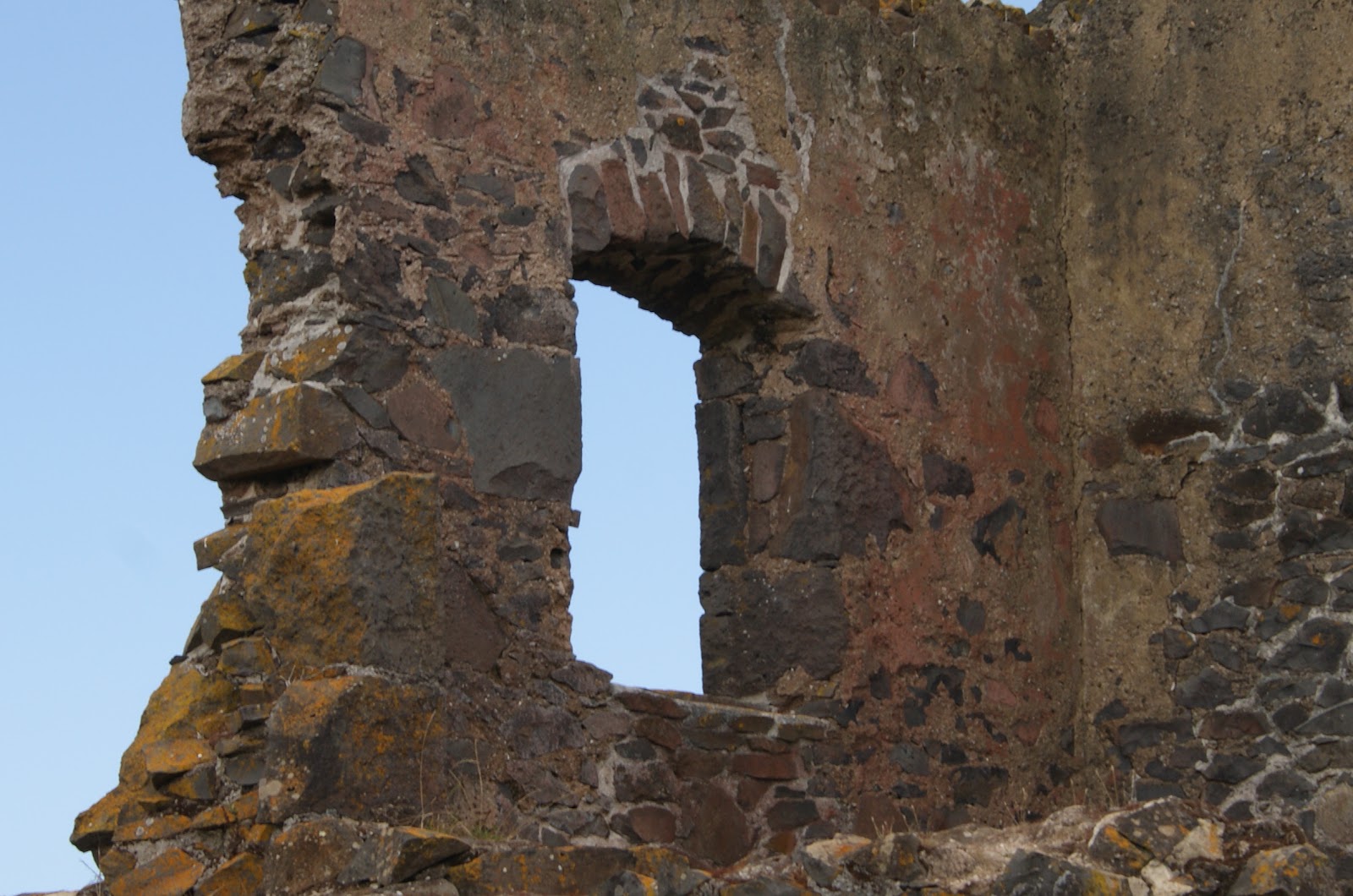
Only a decade after it was first built, the mill was gutted and converted into the Penitentiary. The building was gutted in the 1897 bushfires, burning for nearly 72 hours and lay derelict until a concerted conservation program began in the 1960’s.
The building has just seen the completion of a major conservation project. The project will provide structural stability and environmental protection to the remnant walls, which were at risk due to age and deterioration of the masonry fabric. The work has been necessary to ensure the safety of visitors and guarantee the long-term conservation of the building, one of Port Arthur’s most enduring and famous landmarks.
Main Text & Information Sources –
“A Vistors Short History Guide To Port Arthur 1830 – 1877 – Alex Graeme-Evans & Michael Ross
“Port Arthur – Convicts & Commandants” – Walter B. Pridmore
Historic Photos –
Port Arthur Historic Sites, Tasmania Facebook Page